
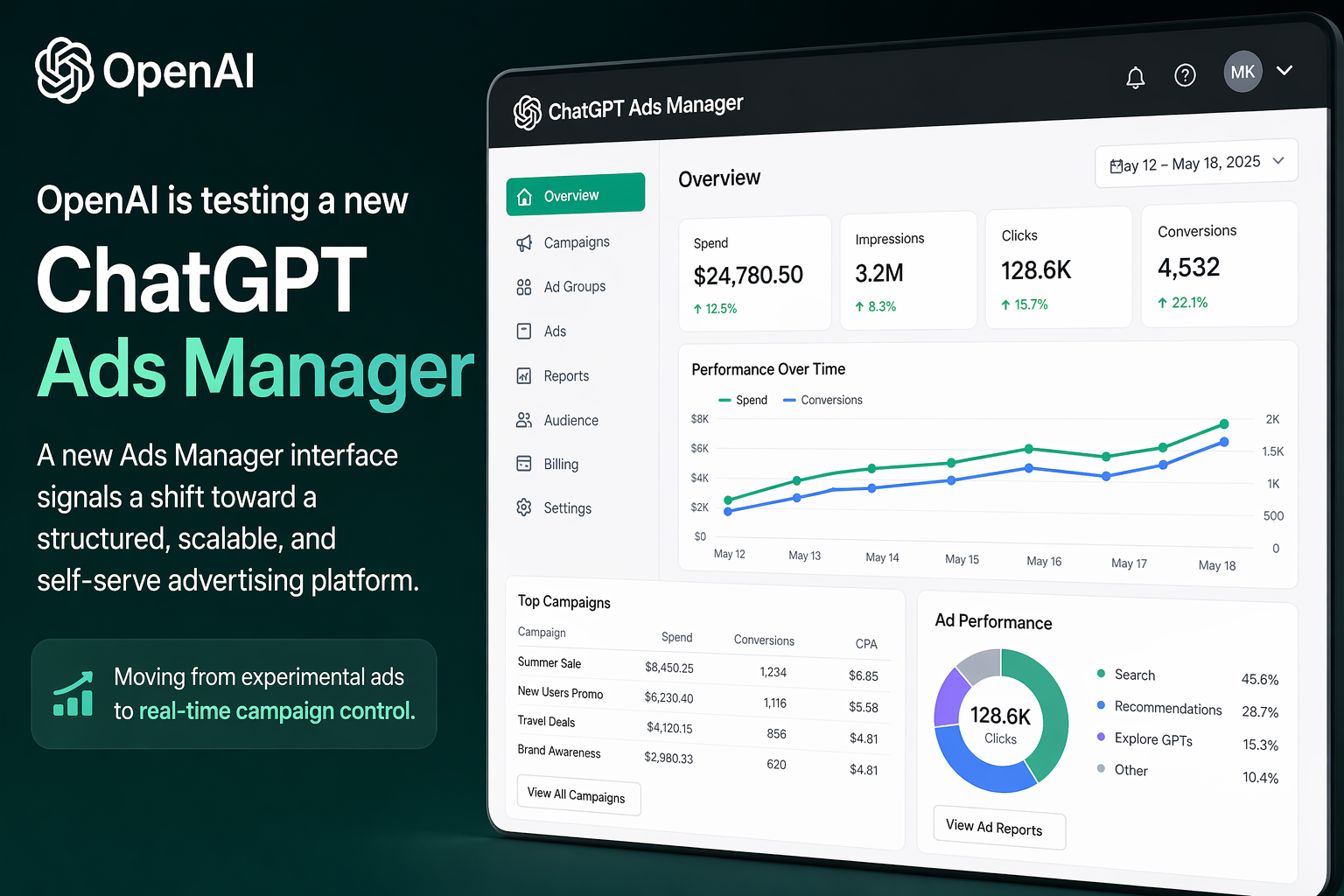
OpenAI appears to be taking a major leap forward in the advertising future of ChatGPT. Recent reports suggest that the company is testing a brand-new ChatGPT Ads Manager interface, signaling a shift from experimental advertising toward a structured, scalable, and self-serve advertising platform.
For digital marketers, this is a big moment. Until now, advertising inside ChatGPT has been limited, early-stage, and controlled through basic reporting systems. But the introduction of an Ads Manager dashboard indicates OpenAI is building the kind of infrastructure needed to compete with established ad giants like Google Ads, Meta Ads, and other major self-serve advertising platforms.
With advertisers already spotting an increase in branded placements inside ChatGPT, and marketers sharing screenshots of what appears to be a functional Ads Manager, OpenAI’s monetization strategy seems to be accelerating faster than expected.
ChatGPT Advertising Is Entering a New Phase
For months, speculation around “ChatGPT ads” has been growing. Marketers have been watching closely, expecting OpenAI to eventually monetize ChatGPT in a more direct way. While OpenAI has already built a strong revenue stream through ChatGPT Plus subscriptions and enterprise products, the demand for scalable monetization at a global level naturally leads toward advertising.
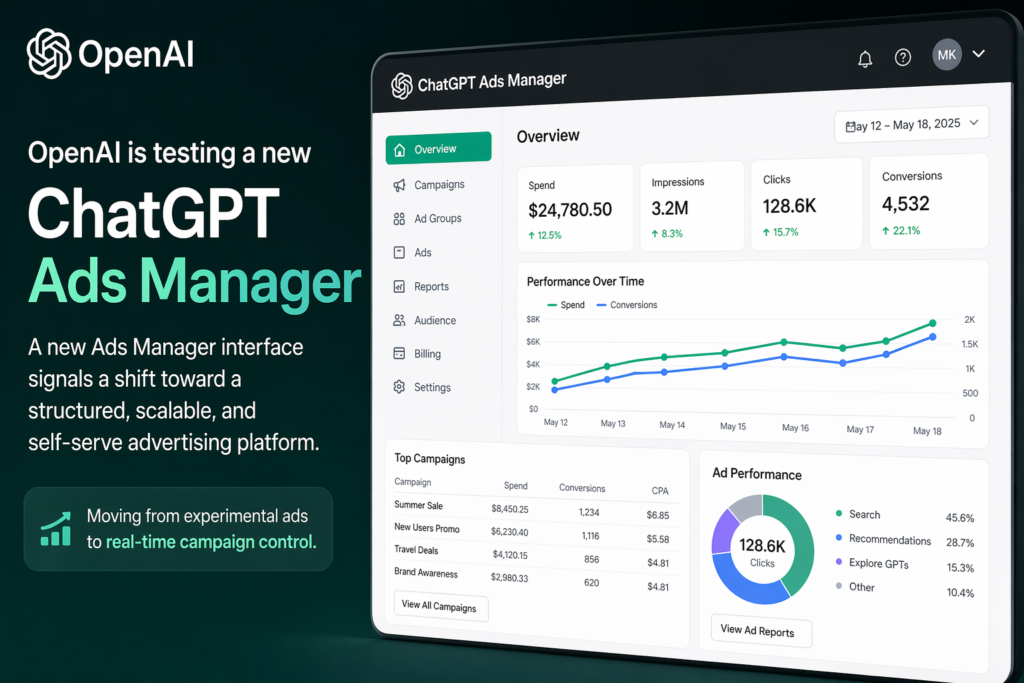
Now, the testing of a ChatGPT Ads Manager suggests that OpenAI is transitioning from a “controlled ad experiment” into a more mature advertising ecosystem.
The difference is significant.
Early-stage advertising platforms usually rely on manual placements, limited reporting, and minimal control. Mature advertising platforms, however, rely on real-time campaign management, targeting, reporting, bidding systems, and automation features.
A full Ads Manager interface is the first major signal that OpenAI is preparing for this kind of growth.
What Is the New ChatGPT Ads Manager?
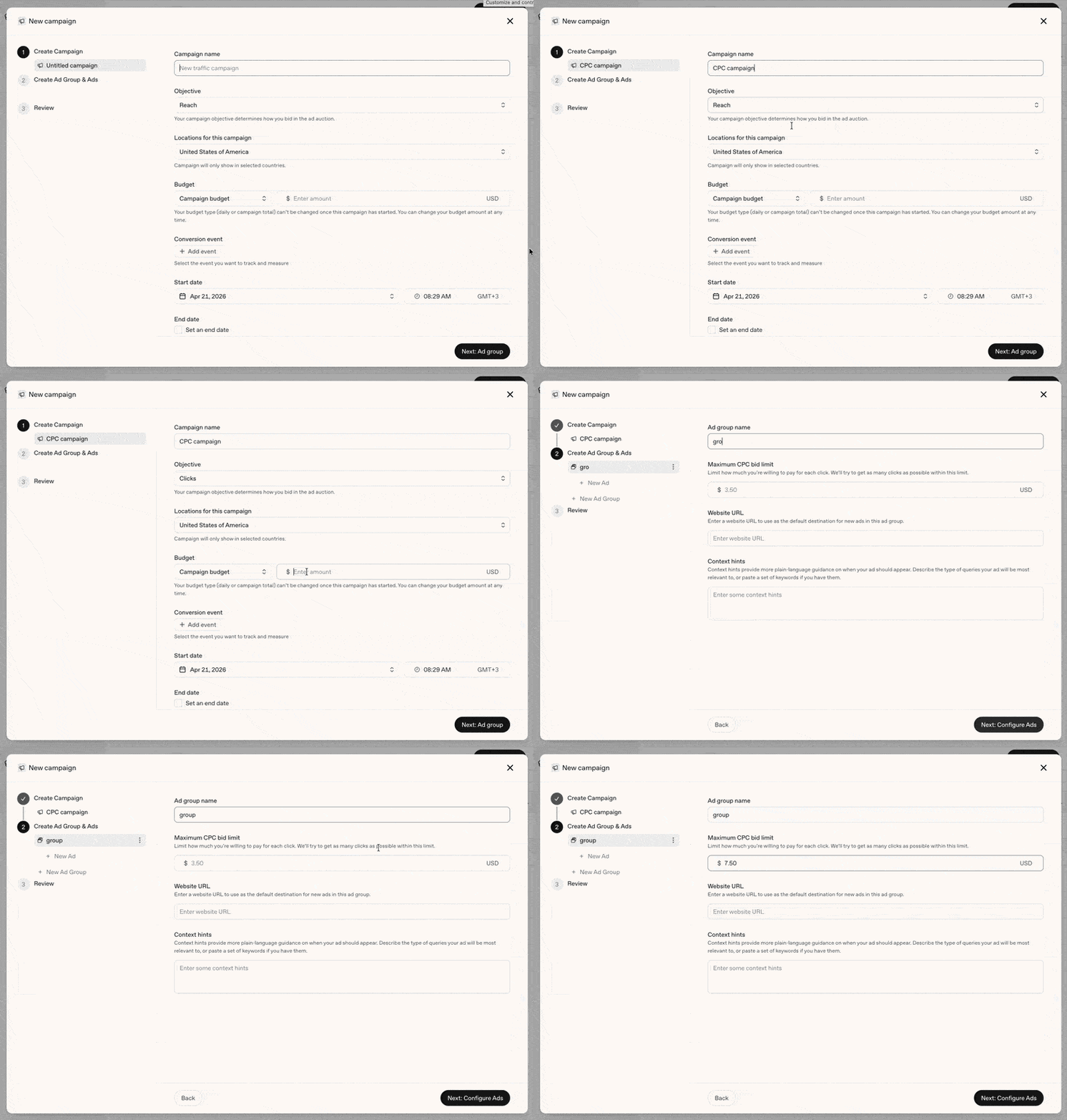
According to marketers who have reportedly seen the new interface, the ChatGPT Ads Manager appears to function like a dashboard where advertisers can:
- Launch campaigns
- Monitor performance in real time
- Adjust campaign settings instantly
- Optimize budgets and placements
- Track results through a more structured reporting system
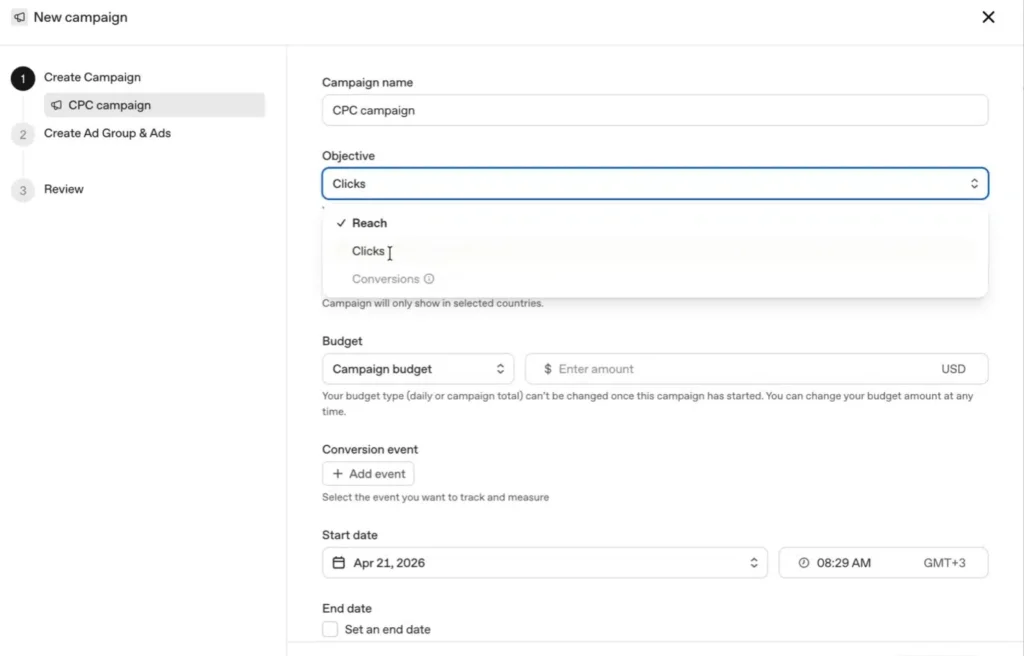
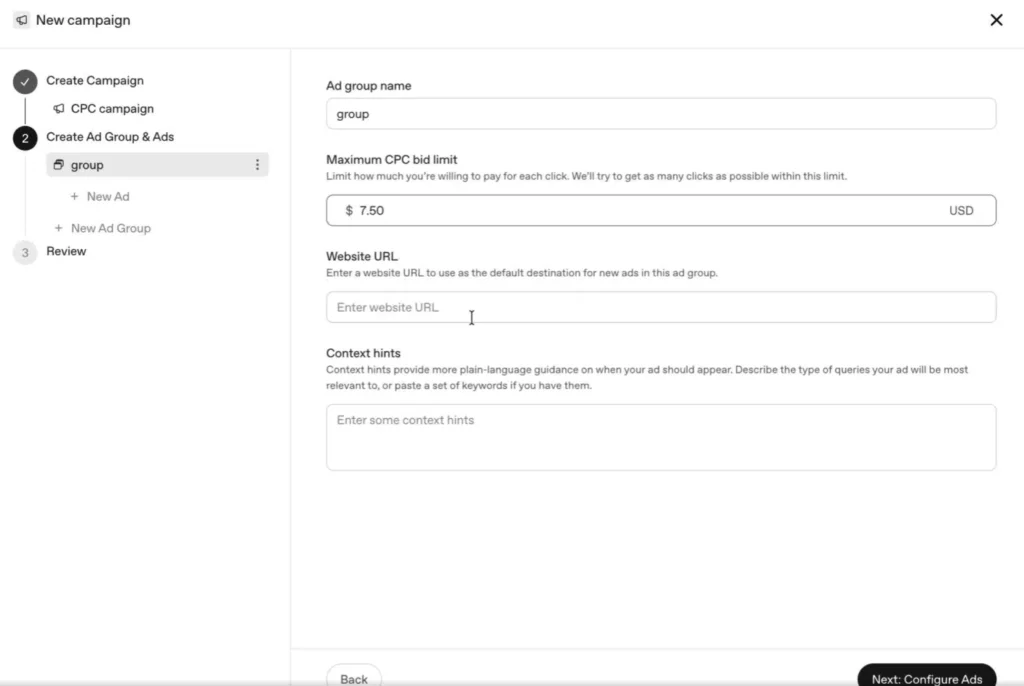
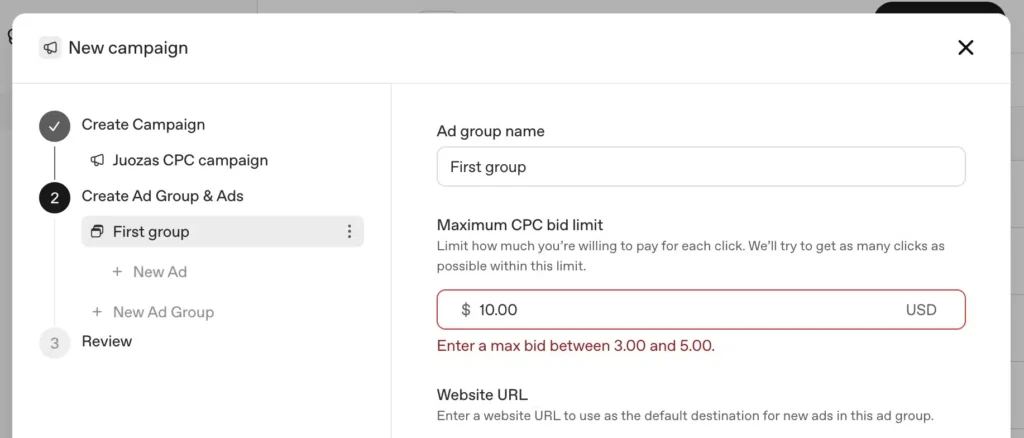
This is a major improvement over what advertisers were previously dealing with.
Up to now, reports suggested that advertisers running ChatGPT campaigns were receiving very basic performance feedback — in some cases, only weekly CSV reports. That kind of reporting may be acceptable during a closed beta test, but it is not sufficient for real-world digital marketing at scale.
Modern advertisers need real-time control. They need to adjust campaigns quickly based on performance. They need daily insights, attribution data, segmentation, and the ability to optimize based on results.
If OpenAI’s Ads Manager is truly moving in that direction, then it’s clear they are laying the foundation for a much larger advertising business.
Marketers Are Already Sharing Early Signs
Two digital marketers, Juozas Kaziukėnas and Glenn Gabe, reportedly shared screenshots and insights related to what they observed in the new Ads Manager interface.
While OpenAI itself has not officially confirmed all the details publicly, the appearance of such images suggests that advertisers are already being exposed to the new system in testing environments.
This is important because it indicates OpenAI is likely testing:
- Interface usability
- Campaign setup flows
- Reporting structure
- Performance tracking
- Ad inventory display formats
Testing a new Ads Manager is not a small experiment. It requires internal systems for billing, campaign delivery, targeting, and reporting. The fact that OpenAI is already showing advertisers this dashboard suggests the company is serious about scaling it soon.
Why This Matters for Advertisers (And Why We Should Care)
This development is not just a UI upgrade. It represents a larger shift.
Until now, ChatGPT ads were considered “early-stage,” with limited control and minimal performance transparency. Many marketers assumed it would take years before OpenAI built a platform comparable to Google or Meta.
But this new Ads Manager interface signals something else: OpenAI is speeding up.
If the platform becomes self-serve, advertisers will no longer need direct relationships or special access to run ads. Instead, brands and agencies could potentially create campaigns the same way they do on Google Ads or Meta Ads.
This is the exact formula that helped Google and Facebook dominate advertising:
- Low entry barrier
- Self-serve campaign tools
- Automated delivery systems
- Scalable reporting
- Strong targeting and optimization
If OpenAI is moving toward this model, ChatGPT could soon become a powerful advertising channel for brands.
The Big Shift: From Experimental Ads to Full Infrastructure
The advertising world doesn’t run on simple placements. It runs on infrastructure.
A mature advertising platform requires:
- Campaign creation tools
- Budget and bidding systems
- Targeting mechanisms
- Conversion tracking
- Audience segmentation
- Real-time analytics dashboards
- Creative approvals
- Policy compliance tools
- Automated optimization recommendations
The early-stage version of ChatGPT ads likely lacked most of these components. If advertisers were receiving weekly CSV files, it suggests OpenAI’s reporting was basic and not built for real-time decision-making.
However, with an Ads Manager being tested, OpenAI is likely working on the foundational systems that will enable:
- Faster campaign execution
- Better measurement
- Improved ad delivery consistency
- More scalable advertiser onboarding
In short, OpenAI appears to be building the core system required to monetize ChatGPT at a much larger scale.
More Ads Are Already Appearing in ChatGPT
One major clue supporting this shift is the fact that advertisers are noticing a higher volume of ads inside ChatGPT.
Brands like Best Buy and Expedia have reportedly been spotted appearing in early tests.
This increase in ad inventory suggests that OpenAI is not only testing the management platform but also increasing the number of ad placements shown to users.
And this makes perfect sense.
To scale advertising, OpenAI needs two key things:
- A consistent supply of ad inventory (places where ads can appear)
- A reliable advertiser platform to manage campaigns
If OpenAI is increasing the number of ads shown while also testing an Ads Manager dashboard, it strongly indicates that the company is building toward rapid monetization growth.
Why OpenAI Needs Advertising Monetization
The cost of running AI at ChatGPT scale is enormous.
Even with subscription revenue and enterprise contracts, AI infrastructure requires heavy spending on:
- GPUs and data centers
- Cloud computing costs
- Model training and maintenance
- Research and development
- Security and compliance
- Staff expansion
Advertising is one of the few revenue models that can scale massively alongside user growth.
As ChatGPT continues to grow into a daily tool for millions of people, it becomes a perfect environment for advertisers. Unlike social media, where users browse casually, ChatGPT users often arrive with a clear intent:
- They want answers
- They want recommendations
- They want comparisons
- They want solutions
This is highly valuable commercial intent, which makes it attractive for advertisers.
If OpenAI builds the right system, ChatGPT could become one of the most powerful intent-driven advertising channels ever created.
How ChatGPT Ads Could Differ From Google and Meta
While OpenAI may be moving closer to a traditional Ads Manager model, ChatGPT advertising is fundamentally different from Google Search or Meta social feeds.
ChatGPT is conversational. That means advertising could evolve into:
- Contextual recommendations
- Sponsored suggestions
- Product comparisons with branded placements
- Sponsored travel recommendations
- Promoted tools or services inside responses
If done properly, this could create a new category of advertising where ads feel less intrusive and more integrated into the user’s decision-making journey.
However, OpenAI must handle this carefully. If ads become too aggressive, it could damage user trust, which is the most valuable asset ChatGPT has.
Zooming In: Real-Time Campaign Control Changes Everything
The biggest reported improvement is real-time campaign control.
This is crucial.
Digital advertising is extremely dynamic. Campaigns can rise or fall within hours. Platforms like Google Ads allow advertisers to pause campaigns instantly, adjust bids, change targeting, test creatives, and optimize results daily.
If OpenAI is now enabling similar controls through an Ads Manager, it means advertisers can:
- React quickly to performance changes
- Test multiple creatives and formats
- Optimize budgets across campaigns
- Scale winning ads faster
- Reduce wasted spend on underperforming placements
This will make ChatGPT advertising far more attractive to agencies and performance marketers who demand flexibility and speed.
What to Watch Next: Targeting, Reporting, and Automation
While the Ads Manager is a major milestone, there are still critical elements OpenAI must improve before it can compete with the biggest ad platforms.
1. Targeting Capabilities
Currently, early feedback suggests targeting is limited. In the future, OpenAI will likely improve targeting through:
- Interest-based signals
- Conversation context relevance
- User behavior patterns
- Geography and language targeting
- Device targeting
- Custom audience segments
But targeting must be handled with privacy in mind. OpenAI will face serious scrutiny if user conversations are perceived as being used for aggressive ad targeting.
2. Reporting and Attribution
Advertisers will expect full reporting such as:
- Impressions
- Clicks
- Cost per click (CPC)
- Conversion tracking
- Cost per acquisition (CPA)
- ROAS (Return on Ad Spend)
- Funnel attribution
If OpenAI can build a clean, accurate reporting model, ChatGPT ads will become far more credible as a marketing channel.
3. Automation and Optimization Tools
Modern ad platforms rely heavily on automation. Expect OpenAI to eventually build:
- Smart bidding strategies
- AI-based optimization suggestions
- Automated budget allocation
- Dynamic creative testing
- Performance alerts
This would make the platform extremely competitive because OpenAI already has the AI expertise to build smarter advertising automation than most competitors.
What This Means for the Digital Marketing Industry
The introduction of a ChatGPT Ads Manager could reshape the marketing world.
Marketers are always looking for new channels. Social media ad costs are rising, Google search is saturated, and competition is intense. A new platform like ChatGPT offers:
- Fresh inventory
- High user engagement
- Intent-based interaction
- Early mover advantage for brands
If OpenAI successfully builds a scalable ad platform, marketers will quickly shift budgets to test it. The first brands that master ChatGPT ads could gain a significant advantage, especially in industries like:
- E-commerce
- Travel and tourism
- Education
- SaaS and tech tools
- Local services
- Finance and insurance
The biggest winners will be advertisers who understand how to blend advertising with conversation-based user experiences.
Final Thoughts: OpenAI’s Advertising Future Is Becoming Real
OpenAI testing a new ChatGPT Ads Manager interface is more than just a feature update. It is a strong signal that the company is moving toward a full-scale monetization strategy built around advertising.
The shift from weekly CSV reporting to real-time campaign management indicates that OpenAI is preparing for a self-serve platform model — one that could eventually rival Google Ads and Meta Ads in structure, scalability, and advertiser accessibility.
With more ads already appearing in ChatGPT, and recognizable brands like Best Buy and Expedia showing up in early tests, the direction is clear: OpenAI is building the foundation for a major advertising ecosystem.
The next steps will be crucial. Targeting, reporting, and automation will determine whether ChatGPT ads become a serious competitor in the digital advertising world or remain a limited experiment.
But one thing is certain: the era of AI-driven advertising inside conversational platforms has officially begun.
And if OpenAI executes this correctly, ChatGPT could soon become one of the most powerful marketing platforms of the next decade.
About The Author

