
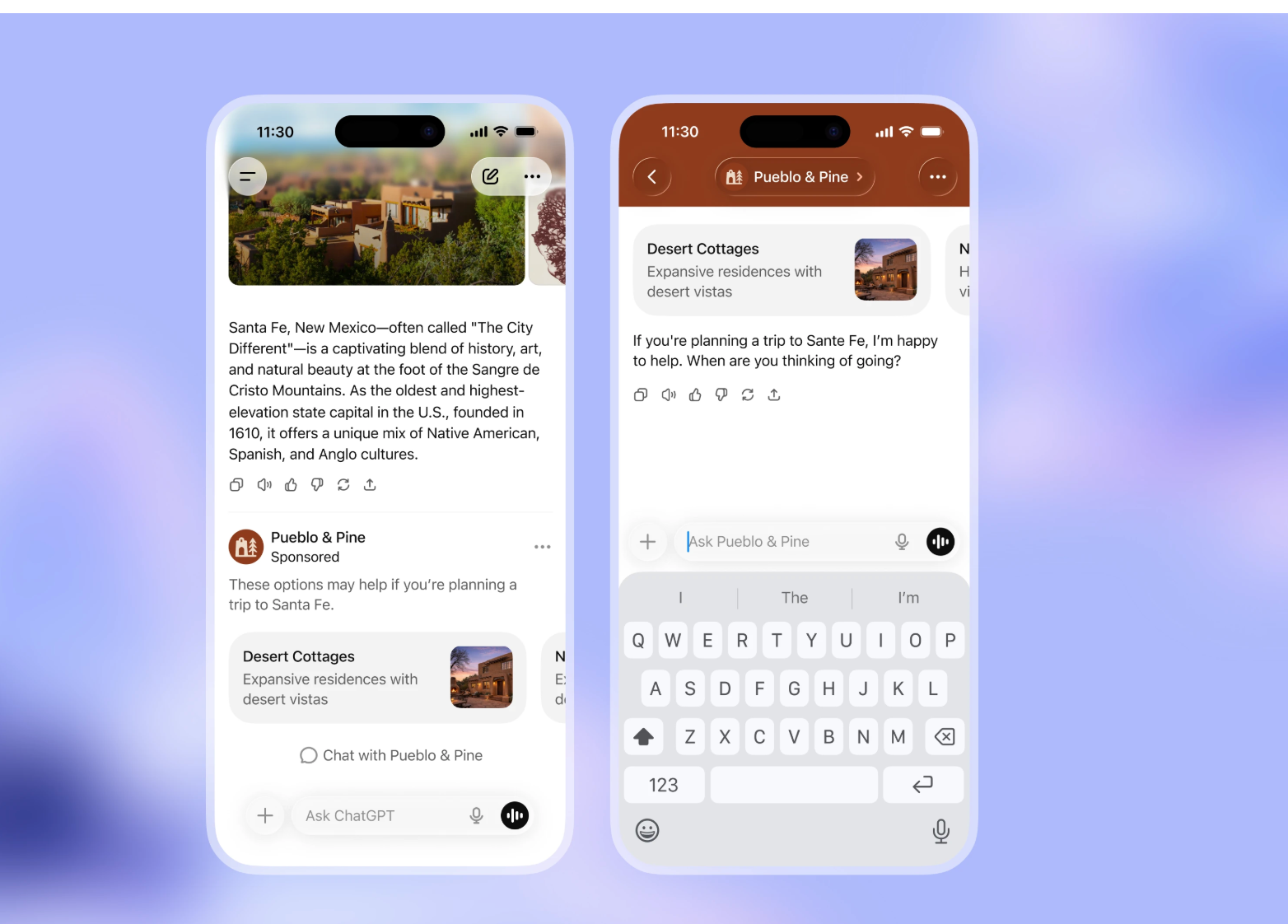
OpenAI is preparing to introduce ChatGPT ads in the United States, signaling a major evolution in how artificial intelligence platforms may generate revenue without compromising user trust. The upcoming test represents more than a monetization experiment — it reflects OpenAI’s broader mission to expand access to advanced AI tools while maintaining privacy, transparency, and answer integrity.
This move could reshape the future of AI advertising, intent-based marketing, and contextual ad delivery.
How Ads in ChatGPT Will Appear
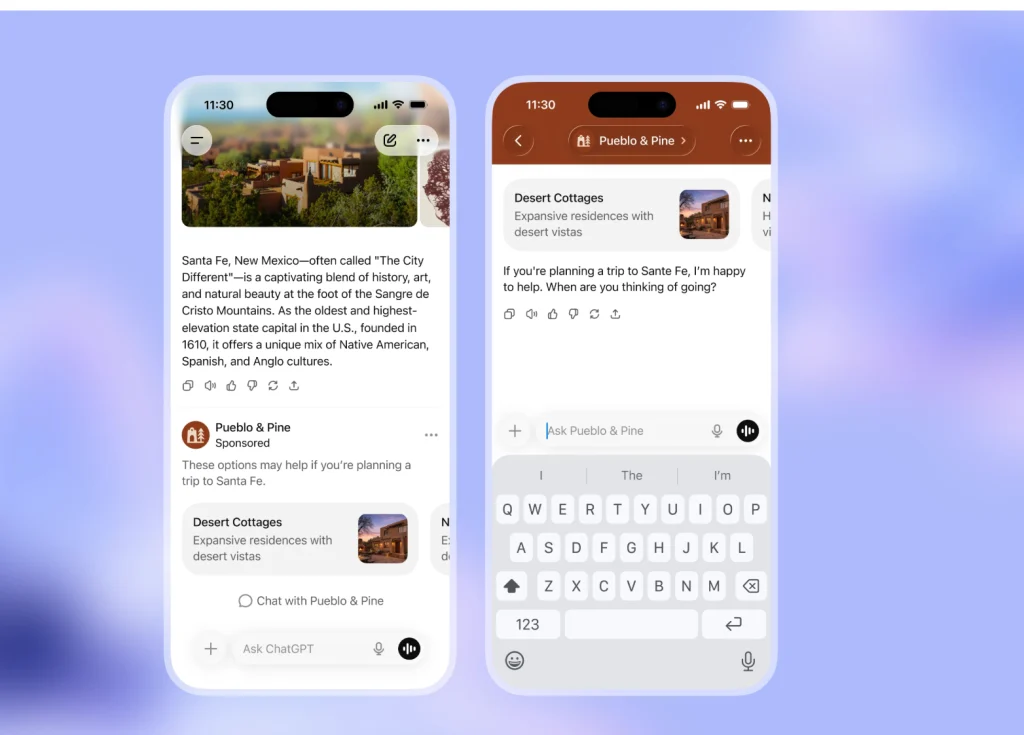
Unlike traditional digital ads that interrupt browsing experiences, ads inside ChatGPT will be integrated carefully into conversations. During the testing phase:
- Ads will appear at the bottom of ChatGPT responses
- They will be clearly labeled as sponsored
- Ads will only show when a product or service is directly relevant to the conversation
- Sponsored content will never alter ChatGPT’s actual answers
This creates a new category of conversation-driven advertising, where relevance is based on real-time intent rather than browsing history or demographic assumptions.
Who Will See ChatGPT Ads — and Who Will Not
Ads will be visible to:
- Logged-in adult users (18+)
- Users on the free ChatGPT tier
- ChatGPT Go subscribers, OpenAI’s low-cost $8/month plan offering features like image generation, file uploads, and memory
Ads will not be shown to:
- ChatGPT Pro, Business, and Enterprise users
- Users under 18 years old
- Conversations related to sensitive or regulated topics, including:
- Politics
- Health and medical advice
- Mental health
This tier-based approach reinforces OpenAI’s commitment to choice and control, allowing users to opt out of ads through paid plans.
Why ChatGPT Ads Matter for Digital Marketing
1. High-Intent Advertising in Real Conversations
ChatGPT users are not passively scrolling — they are actively asking questions, evaluating options, and making decisions. This makes ChatGPT ads a high-intent placement, fundamentally different from search or social ads.
For marketers, this opens opportunities in:
- Consideration-stage marketing
- Educational and solution-based advertising
- B2B, SaaS, and professional services
- Long-form decision journeys
2. Context Over Clicks
Instead of optimizing for impressions or time spent, ChatGPT advertising prioritizes contextual relevance. Ads are shown only when they add value to the conversation, reducing noise and increasing trust.
This signals a shift toward AI-native performance marketing, where usefulness matters more than volume.
OpenAI’s Advertising Philosophy: Trust Comes First
OpenAI has clearly stated that advertising inside ChatGPT will follow strict guiding principles:
Answer Independence
Ads will never influence how ChatGPT responds. The AI’s answers remain unbiased, helpful, and grounded in user needs — not advertiser interests.
Conversation Privacy
User conversations are never sold to advertisers. Ads do not gain access to full chat histories, reinforcing OpenAI’s privacy-first stance.
User Control
Users will be able to:
- See why an ad was shown
- Dismiss ads easily
- Turn off ad personalization
- Clear ad-related data at any time
Paid subscriptions remain a clean, ad-free experience.
Expanding Access Through Responsible Advertising
OpenAI’s long-term goal is to make powerful AI tools accessible to more people. Advertising plays a role in:
- Reducing usage limits for free users
- Supporting lower-cost subscriptions like ChatGPT Go
- Offsetting the growing infrastructure costs of large-scale AI systems
With massive compute investments and rising operational expenses, advertising provides a sustainable path to scale AI access without locking innovation behind paywalls.
What Will Not Change
OpenAI has been explicit about what ChatGPT ads will not do:
- Ads will not manipulate answers
- Ads will not track or sell personal conversations
- Ads will not appear near sensitive topics
- Ads will not be optimized for addiction, time spent, or aggressive monetization
This is a clear departure from traditional ad-driven tech platforms.
Between the Lines: A Careful Monetization Shift
CEO Sam Altman has previously warned that advertising can erode user trust if handled poorly. That caution explains why OpenAI is:
- Starting with limited U.S. testing
- Prioritizing feedback-driven iteration
- Designing ads to be helpful, not intrusive
Rather than maximizing revenue immediately, OpenAI is testing whether ethical, context-aware AI advertising can work at scale.
What’s Next for ChatGPT Advertising
Ads are not live yet, but testing will begin soon in the U.S. OpenAI will refine placement logic, relevance rules, and user controls based on real-world usage before considering broader rollout.
If successful, ChatGPT ads could become a new discovery and performance channel, sitting alongside search and social — but powered by conversation intelligence instead of keywords alone.
Industry Perspective: University of Digital Marketing
At University of Digital Marketing, we see ChatGPT ads as the beginning of AI-first advertising models, where trust, intent, and education drive value more than impressions. Marketers who understand this shift early will be better positioned as AI platforms redefine how consumers discover and evaluate brands.
